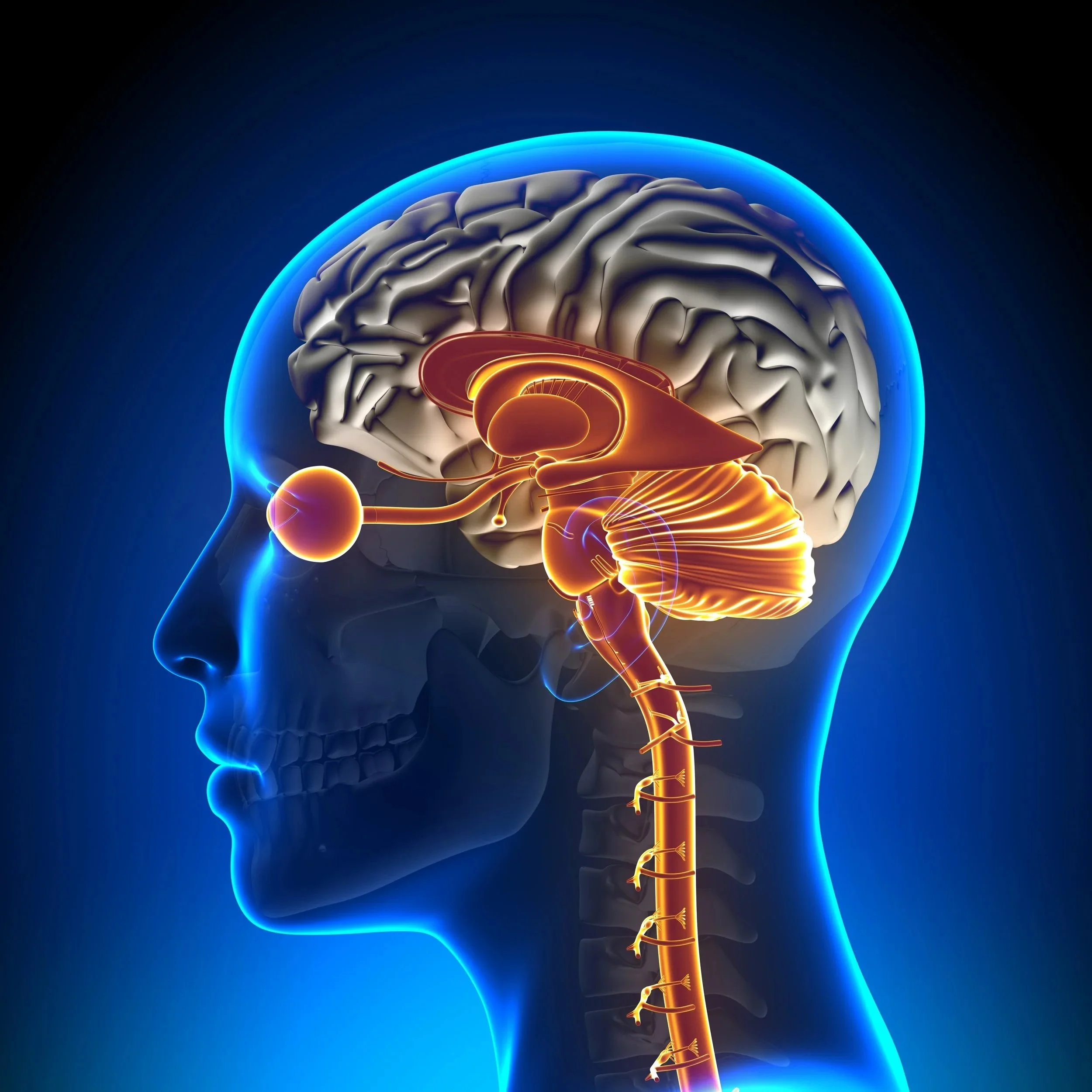
One of my favorite tools to incorporate with therapy clients is Brainspotting.
Brainspotting is a focused therapeutic approach developed by David Grand, Ph.D. that helps people identify and process sources of emotional pain, physical discomfort, trauma, and other symptoms the body may be holding onto.
What I appreciate most about Brainspotting is that it allows us to work beyond the conscious mind.
When Talk Therapy Is Not Enough
Many people come into therapy already having a strong understanding of their story. They may have spent years reflecting on their experiences, talking through patterns, and trying to understand why certain symptoms continue to show up.
Talk therapy can be incredibly valuable in this process. It helps people form connections, express thoughts and emotions, and better understand the motivations behind their behaviors.
But sometimes, even with that awareness, symptoms still remain.
A person may understand why they struggle with anxiety, emotional triggers, physical discomfort, or certain behavioral patterns… yet still feel stuck in them.
This is often where Brainspotting can become especially helpful.
How Brainspotting Works
Brainspotting uses very little verbal engagement compared to traditional talk therapy. Instead of focusing primarily on conversation, the process encourages someone to tune into their body and notice sensations, emotions, images, or reactions that arise while focusing on a specific topic or experience.
The idea behind Brainspotting is that where you look affects how you feel.
By identifying specific eye positions connected to stored experiences in the deeper brain, Brainspotting can help access unresolved trauma, emotional pain, or nervous system activation that may not be fully reachable through words alone.
Rather than trying to force insight intellectually, the body is given space to process in a deeper and more natural way.
What Brainspotting May Help With
I have found Brainspotting to be especially supportive for clients experiencing:
Trauma and unresolved emotional pain
Anxiety and nervous system dysregulation
Phobias and fears
Physical discomfort or chronic pain
Unproductive belief systems
Emotional overwhelm
Stress-related symptoms
Because Brainspotting works with both the mind and body, it can be a powerful complement to traditional therapy approaches.
A More Body-Based Approach to Healing
One of the reasons I value Brainspotting so deeply is because healing is not always fully verbal.
Sometimes people carry emotions, memories, or nervous system responses that were never fully processed consciously. In those moments, simply talking about an experience may not always create the shift someone is hoping for.
Brainspotting offers another pathway.
It creates space for the body and nervous system to process what may still be held beneath the surface, often with less pressure to explain or fully articulate everything verbally.
If you are someone who feels deeply self-aware but still notices certain symptoms, reactions, or emotional patterns continuing to show up, Brainspotting may be a supportive tool to explore.
If you’re interested in learning more about Brainspotting, you can also visit the official Brainspotting website.
Stay rooted,
Katie 🌿